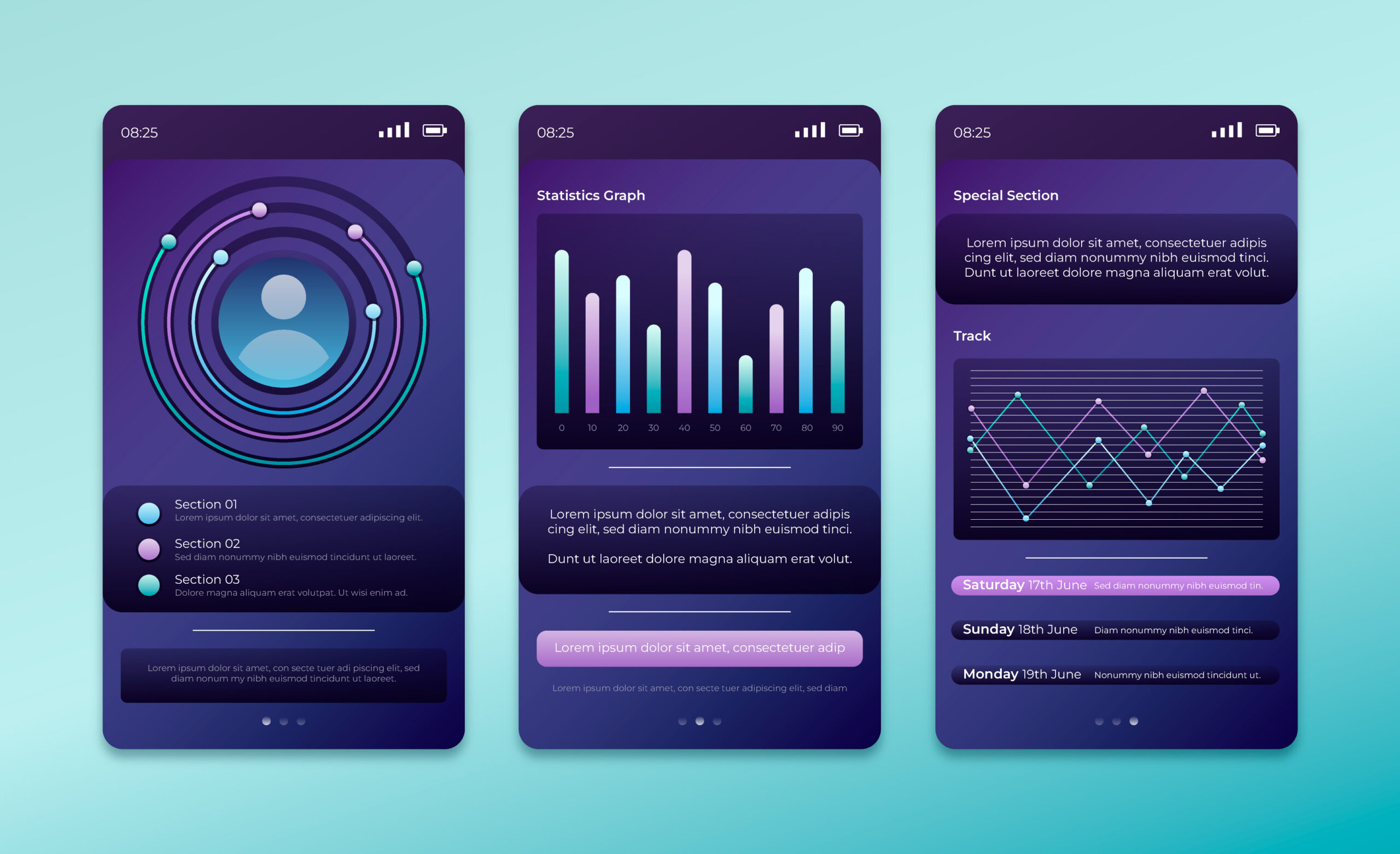
In the evolving world of digital product design, efficiency and consistency are essential. Stock UI kits and design systems have become indispensable tools for designers, developers, and businesses aiming to create cohesive user experiences بسرعة and at scale. However, understanding the licensing behind these assets is just as important as using them effectively.
What Are Stock UI Kits and Design Systems?
Stock UI kits are pre-designed collections of user interface elements such as buttons, forms, navigation menus, and icons. Design systems go a step further by providing a structured framework that includes design rules, components, and guidelines for building consistent digital products.
These resources are often available on platforms like Envato and Creative Market, where designers can purchase or download ready-to-use kits. They are commonly used for websites, mobile apps, and software interfaces, helping teams accelerate development while maintaining visual consistency.
Importance of Licensing in UI Kits
Licensing defines how you can use a UI kit or design system. Most stock UI kits come with commercial licenses, allowing use in client projects, applications, and digital products. However, not all licenses are the same, and misunderstanding them can lead to legal risks.
For example, some licenses allow unlimited use across multiple projects, while others restrict usage to a single end product. In many cases, redistribution of the UI kit itself—whether free or paid—is prohibited. This means you can use the components in your designs, but you cannot resell or share the original files.
Common Types of Licenses
There are several licensing models commonly associated with stock UI kits. A standard license typically allows use in one project, making it suitable for freelancers or single-use cases. Extended licenses often provide broader usage rights, including multiple projects or commercial applications.
Subscription-based platforms may offer access to a wide range of assets under a unified license. These are particularly beneficial for agencies that require continuous access to updated design resources.
It is also important to note that UI kits may include additional assets such as icons, illustrations, or even stock footage for app previews and marketing materials. Each component may have its own licensing terms, so reviewing the full agreement is essential.
Key Considerations Before Using UI Kits
Before integrating a stock UI kit into your workflow, verify compatibility with your design tools, such as Figma or Adobe XD. This ensures a smooth editing process and avoids technical issues.
Customization flexibility is another important factor. A good UI kit should allow you to modify components بسهولة to align with your brand identity. Relying too heavily on default styles can result in generic designs that lack uniqueness.
Additionally, consider scalability. If your project is expected to grow, choose a design system that can evolve with your needs, offering reusable components and clear guidelines.
Best Practices for Compliance and Creativity
To stay compliant, always keep a copy of the license agreement and document where and how the UI kit is used. This is particularly important for agencies handling multiple clients.
From a creative standpoint, avoid using UI kits exactly as they are. Instead, adapt layouts, adjust color schemes, and refine typography to create a distinctive user experience. This approach not only strengthens branding but also ensures your product stands out in a competitive market.
Conclusion
Stock UI kits and design systems are powerful resources that streamline the design process and enhance consistency across digital products. However, their true value lies in responsible and informed usage. By understanding licensing terms, selecting the right assets, and applying thoughtful customization, designers and businesses can maximize efficiency while maintaining originality and legal compliance.
I’ve always found that pictures tell stories far beyond what meets the eye. When I look at an image I’m not just seeing colors and shapes – I’m discovering hidden meanings deeper narratives and making connections that aren’t immediately obvious.
As an educator and visual literacy expert I’ve witnessed countless students light up when they learn to make inferences from pictures. It’s like unlocking a secret code that transforms simple images into rich meaningful stories. Whether it’s analyzing a historical photograph interpreting artwork or understanding visual advertisements inference skills help us become better critical thinkers and more engaged observers.
In this article I’ll walk you through some powerful picture examples that demonstrate the art of inference. Together we’ll explore how to read between the lines of visual information and develop stronger analytical skills that you can apply in both academic and real-world settings.
What Is Inference in Reading Pictures
Picture inference involves analyzing visual elements to draw meaningful conclusions beyond what’s immediately visible. I’ve observed how interpreting images requires combining visual evidence with prior knowledge to uncover deeper meanings.
Visual Literacy and Making Connections
Visual literacy transforms basic picture viewing into active meaning-making through strategic analysis. I notice successful inference happens when readers:
Connect personal experiences to visual elements
Link cultural symbols to broader contexts
Identify relationships between multiple image components
Apply background knowledge to interpret visual clues
Recognize patterns across similar types of images
For example, in inference picture examples, a photo of an empty playground with scattered toys suggests children were recently present without directly showing them.
How Inference Differs from Observations
Observation captures the literal elements while inference reveals the underlying story. Here’s how they differ:
Observation
Inference
Records visible details
Draws conclusions
Notes colors shapes sizes
Interprets meaning
Lists physical elements
Suggests relationships
Describes what is seen
Explains significance
Documents current state
Predicts implications
I regularly demonstrate this distinction using inference picture examples where students first list what they physically see then progress to interpreting the image’s deeper significance based on those visual clues.
Key Elements for Making Picture Inferences
Picture inference analysis relies on specific key elements that guide viewers toward meaningful interpretations. I’ve identified essential components that create robust inference opportunities in visual materials.
Visual Clues and Context
In my experience analyzing inference picture examples, visual clues create the foundation for interpretation. Environmental details like weather conditions, time of day, location markers or seasonal indicators provide crucial contextual information. I examine specific elements such as:
Scattered objects revealing recent activities
Background details indicating setting location
Lighting conditions suggesting time or mood
Environmental markers showing weather or season
Cultural artifacts depicting specific time periods
Character Emotions and Body Language
Character expressions communicate underlying narratives through non-verbal signals. I focus on these physical indicators:
Facial expressions showing emotional states
Body postures revealing comfort or tension
Hand gestures indicating intention or mood
Physical spacing between subjects suggesting relationships
Eye contact patterns demonstrating connection or avoidance
Body Language Element
What It Reveals
Crossed Arms
Defensive or closed off
Open Palms
Welcoming or honest
Leaning Forward
Interest or engagement
Pursed Lips
Disapproval or skepticism
Mirrored Positions
Connection or rapport
Popular Types of Inference Picture Examples
I’ve identified three distinct categories of inference pictures that consistently engage viewers and promote critical thinking. Each type offers unique opportunities for developing analytical skills through visual interpretation.
Sequence and Story Pictures
Sequential inference pictures present a series of related images that tell a story through visual progression. I regularly use 4-panel comic strips without dialogue boxes which require viewers to infer the narrative connections between scenes. For example, a sequence showing a child with a piggy bank, followed by a toy store window, an empty piggy bank, and finally the child playing with a new toy encourages observers to construct the story of saving and purchasing.
Problem-Solution Scenarios
Problem-solution inference pictures display situations that prompt viewers to identify challenges and deduce potential resolutions. I’ve collected numerous examples where the first image presents a clear problem – such as a wilting plant or a broken bicycle – while the second image requires inference to understand the implemented solution. These pictures strengthen analytical thinking by encouraging viewers to recognize both explicit problems and implicit solutions.
Cause and Effect Images
Cause and effect inference pictures reveal relationships between actions and their consequences. I utilize side-by-side images that demonstrate direct connections – like a picture pairing wet footprints leading to a muddy floor, or fallen dominoes next to an upset cat. These examples help develop predictive reasoning skills by challenging viewers to trace visual evidence backward to determine original causes or forward to anticipate likely effects.
Type
Key Features
Learning Outcome
Sequence
3-4 connected panels
Narrative construction
Problem-Solution
Before/after format
Strategic thinking
Cause-Effect
Paired images
Relationship analysis
Teaching Inference Through Pictures
I structure inference picture activities to develop critical thinking skills through visual analysis exercises. These guided practices create engaging learning experiences for students at different comprehension levels.
Elementary Level Activities
Elementary students learn inference through sequential picture analysis with structured guidance. I introduce three core activities:
Picture Walk-Throughs: Students examine 4-panel inference picture examples to identify mood changes in characters
Visual Detective Games: Small groups analyze photographs to spot clues about time of day weather conditions location setting
Emotion Cards: Students match facial expressions with situational context cards to understand nonverbal communication
Story Completion Tasks: Learners view partial story sequences then draw or describe the missing scenes
Picture Prediction Charts: Students record observations in one column inferences in another using simple image prompts
Advanced Visual Analysis Techniques
Contextual Analysis Charts
Environmental details evaluation
Cultural symbol identification
Historical period markers
Social interaction patterns
Multi-Layer Interpretation
Primary visual elements
Secondary contextual clues
Symbolic representations
Thematic connections
Critical Response Activities
Comparing multiple perspectives
Analyzing artistic choices
Evaluating composition elements
Developing evidence-based interpretations
Activity Level
Time Required
Group Size
Materials Needed
Elementary
15-20 mins
2-4 students
Picture cards set
Intermediate
25-30 mins
3-5 students
Analysis worksheets
Advanced
35-45 mins
4-6 students
Digital image bank
Best Practices for Using Picture Inference
Picture inference activities require careful planning and structured implementation to maximize learning outcomes. I’ve developed these practices through extensive classroom experience using inference picture examples.
Selecting Age-Appropriate Images
Age-appropriate inference picture examples enhance engagement and comprehension levels. For grades K-2, I select images with clear subjects and minimal distracting elements such as simple nature scenes or familiar daily activities. For grades 3-5, I incorporate more complex images with multiple characters interacting or detailed environmental settings. Middle school students analyze images with subtle visual cues layered meanings such as historical photographs or abstract artistic compositions.
Age Group
Image Complexity
Example Types
K-2
Simple
Single subject nature scenes basic emotions daily routines
3-5
Moderate
Multiple character interactions environmental details sequences
6-8
Complex
Historical photos abstract art social situations
Guiding Questions for Discussion
Observe & Identify
List 3 specific objects visible in the image
Describe the setting details (time location weather)
Note character positions gestures facial expressions
Connect & Interpret
Link visual clues to possible meanings
Identify relationships between image elements
Connect to relevant background knowledge
Evidence-Based Analysis
Point to specific details supporting interpretations
Compare multiple possible inferences
Evaluate which interpretations align with available evidence
Response Development
Articulate reasoning behind conclusions
Build on others’ observations
Consider alternative perspectives
Conclusion
I’ve found that picture inference examples serve as powerful tools for developing critical thinking and analytical skills. They bridge the gap between simple observation and deeper understanding allowing students and educators to explore complex narratives through visual elements.
Through my experience I’ve seen how these carefully selected images and structured activities transform learning into an engaging journey of discovery. The skills developed through picture inference extend far beyond the classroom preparing individuals to interpret visual information in their daily lives.
As we continue to navigate an increasingly visual world these analytical tools become essential for understanding the deeper meanings hidden within images. I’m confident that by mastering picture inference everyone can enhance their ability to read understand and interpret the visual stories that surround us.
In today’s fast-paced world of video production, we’re constantly seeking ways to create compelling content while managing time and budget constraints. Stock footage has emerged as a powerful solution, offering filmmakers and content creators pre-recorded video clips designed for universal use in various projects.
We’ve all encountered stock footage in our daily lives, whether we realize it or not. From establishing shots in TV shows to background elements in commercials, these professionally captured clips enhance productions in countless ways. While some may dismiss stock footage as a last resort, it’s actually a valuable resource that provides access to shots that would be otherwise impossible or cost-prohibitive to capture – from historical moments to aerial views of iconic landmarks around the globe.
Key Takeaways
Stock footage consists of pre-filmed video clips that can be licensed for use in various film projects, helping reduce production costs and time
Common types include establishing shots, B-roll footage, historical archives, natural phenomena, special effects, and lifestyle content available in resolutions from HD to 8K
The main benefits are cost efficiency (avoiding expensive production expenses), time savings, and access to otherwise impossible or cost-prohibitive shots
While stock footage provides many advantages, challenges include maintaining consistent quality with original footage, managing complex licensing requirements, and avoiding overused generic clips
Successful stock footage selection requires careful evaluation of technical specifications (resolution, frame rate, color), contextual relevance, and licensing terms to ensure seamless integration
Stock footage consists of pre-filmed video clips created specifically for licensing and use in various film projects. These clips enhance productions while reducing costs and production time.
Origins and Evolution
Stock footage emerged in the early days of filmmaking as a practical solution for incorporating expensive or hard-to-capture scenes. Film studios maintained libraries of generic shots, establishing views and historical events for use across multiple productions. Today’s digital revolution has transformed stock footage into a vast online marketplace of high-quality 4K video content.
Establishing Shots: Aerial views of cities, landmarks or natural landscapes
B-roll Footage: Supporting scenes that add context or transition between main scenes
Historical Archives: Documented footage of past events, wars or cultural moments
Natural Phenomena: Weather events, wildlife behavior or natural disasters
Special Effects: Light leaks, film grain overlays or visual transitions
Background Plates: Clean footage for visual effects compositing
Time-lapse Sequences: Accelerated footage of slow processes like construction or sunsets
Lifestyle Content: People in everyday situations or business settings
Stock Footage Resolution
Common Uses
Typical Cost Range
HD (1920×1080)
Web Video, TV
$30-150 per clip
4K (3840×2160)
Film, Broadcast
$100-500 per clip
8K (7680×4320)
Premium Productions
$300-1000+ per clip
Key Uses and Applications
Stock footage serves multiple purposes in film production offering versatile solutions for both creative storytelling and technical requirements. The applications range from enhancing narrative depth to solving practical production challenges.
Creative Applications
Creates establishing shots for locations such as cityscapes aerial views iconic landmarks
Adds historical context through archival footage of past events wars social movements
Enhances storytelling with mood-setting shots like sunsets nature scenes urban life
Provides transition sequences between scenes using time-lapse footage weather patterns seasonal changes
Incorporates documentary elements through real-world events cultural celebrations natural phenomena
Fills gaps in production coverage when original filming isn’t feasible due to budget or logistics
Supplements visual effects sequences with background plates green screen elements smoke fire
Reduces production costs for expensive shots like aerial footage underwater scenes wildlife footage
Solves scheduling conflicts by providing alternative footage options for tight deadlines
Enables quick edits revisions by offering readily available replacement shots
Functions as temporary placeholders during rough cuts editing sessions preview screenings
Each application demonstrates how stock footage integration supports both artistic vision and practical filmmaking needs providing a valuable resource for productions of all sizes.
Benefits of Using Stock Footage
Stock footage provides filmmakers with efficient solutions for enhancing video productions through cost-effective resources. Its strategic implementation delivers multiple advantages that streamline the production process.
Cost and Time Efficiency
Stock footage eliminates costly production expenses including equipment rentals, location permits, crew salaries, talent fees. Productions save significant time by avoiding complex logistics, weather delays, travel arrangements. A single stock footage purchase offers immediate access to professional content at a fraction of the original production cost.
Production Element
Original Shoot Cost
Stock Footage Cost
Location Permits
$500-5,000/day
$0
Crew Salaries
$2,000-10,000/day
$0
Equipment Rental
$1,000-5,000/day
$0
Stock Clip
N/A
$50-500
Access to Unique Content
Stock footage provides access to otherwise impossible or cost-prohibitive shots:
Historical events captured in authentic footage
Aerial views of iconic landmarks worldwide
Natural phenomena like storms, volcanoes, wildlife
Special effects sequences including explosions, fires
Time-lapse recordings of cityscapes, construction projects
Global locations without international travel expenses
The footage libraries contain professionally filmed content from diverse settings, allowing productions to incorporate high-quality visuals that enhance storytelling without extensive resource investment.
Limitations and Challenges
Stock footage presents unique challenges in film production despite its numerous advantages. These limitations require careful consideration during the creative process.
Quality and Authenticity
Stock footage quality varies significantly across different sources. Visual inconsistencies emerge when matching stock clips with original footage, including differences in color grading, lighting conditions, camera movements, frame rates or resolution. Generic or overused clips appear in multiple productions, reducing authenticity and uniqueness. Common stock footage clips like time-lapses of city skylines or business meetings create a sense of familiarity that detracts from originality.
Licensing Considerations
Stock footage licensing involves complex legal requirements. Rights management includes:
Usage restrictions based on geographic regions, platforms or time periods
Multiple licensing tiers with varying costs for different distribution channels
Additional fees for extended usage or commercial applications
Potential conflicts with existing licenses when clips appear in competing projects
Required attribution or credit requirements specified by stock footage providers
Restrictions on modification or alteration of original footage
Compliance with model releases for clips featuring identifiable individuals
Limited exclusivity options due to non-exclusive licensing models
Stock footage licensing agreements demand thorough review to prevent legal complications or unexpected costs during production or distribution phases.
How to Choose the Right Stock Footage
Selecting appropriate stock footage involves careful evaluation of multiple factors to ensure seamless integration into film projects. The selection process focuses on both technical specifications and creative elements.
Quality Assessment
High-resolution stock footage maintains visual integrity across different display mediums. Here’s what to evaluate:
Check resolution specifications (HD, 4K, 8K) based on final output requirements
Examine frame rates for smooth motion consistency
Verify color depth compatibility with project settings
Assess lighting conditions match existing footage
Review focus sharpness throughout the entire clip
Monitor stabilization levels in camera movements
Contextual Relevance
Stock footage elements integrate seamlessly when they align with the project’s visual narrative. Key considerations include:
Match visual style with existing project footage
Select clips sharing similar color grading characteristics
Verify weather conditions align with story context
Consider cultural accuracy for location-specific shots
Resolution Type
Recommended Use
Quality Level
HD (1920×1080)
Online content
Standard
4K (3840×2160)
Cinema/TV
Professional
8K (7680×4320)
Large format
Premium
Distribution platform requirements
Budget constraints
Project timeline flexibility
Technical compatibility
License agreement terms
Usage rights limitations
Conclusion
Stock footage has become an indispensable tool in modern filmmaking and content creation. We’ve seen how it empowers creators to tell compelling stories while managing production constraints effectively. From establishing shots to historical archives the versatility of stock footage continues to reshape the way we approach video production.
While there are challenges to consider we believe the benefits far outweigh the limitations. As technology advances and the marketplace expands we can expect stock footage to play an even more significant role in future productions. When used strategically it’s a powerful resource that helps bring creative visions to life without compromising quality or breaking the bank.
Music has the power to transform a video from ordinary to extraordinary. As filmmakers and content creators, we understand the crucial role that sound plays in enhancing visual storytelling. The right melody can evoke emotions, set the mood, and captivate audiences in ways that visuals alone cannot achieve.
In today’s digital landscape, where video content is king, choosing the perfect soundtrack has become more important than ever. Whether you’re creating a cinematic masterpiece, a viral social media clip, or a corporate presentation, the music you select can make or break your video’s impact. We’ll explore the art of pairing music with video, discussing how to choose the right tracks, navigate copyright issues, and elevate your productions to new heights.
Key Takeaways
Music dramatically enhances video storytelling by setting mood, evoking emotions, and improving audience engagement
Choose from original compositions, licensed tracks, or royalty-free music based on project needs and budget
Match music style, tempo, and genre to your video’s tone and target audience for maximum impact
Understand copyright laws and licensing requirements to avoid legal issues when using music in videos
Utilize stock music libraries, licensing platforms, and AI-powered tools to find the perfect soundtrack for your project
Understanding the Importance of Music for Video
Music for video plays a crucial role in enhancing the overall viewing experience. It sets the mood, evokes emotions, and guides the audience’s perception of the visual content. When selecting music for video projects, consider these key aspects:
Emotional Impact
Music has the power to:
Elicit specific feelings in viewers
Reinforce the intended message of the video
Create a memorable experience that resonates long after viewing
Narrative Enhancement
Carefully chosen music:
Supports the story arc
Emphasizes important moments
Provides continuity between scenes
Brand Identity
For corporate videos, music:
Reflects the company’s personality
Reinforces brand recognition
Creates a consistent audio-visual identity
Audience Engagement
Effective music selection:
Captures and maintains viewer attention
Increases watch time and retention rates
Encourages sharing and interaction with the content
By understanding these aspects, content creators can leverage music to significantly improve the quality and impact of their video productions, whether they’re using stock footage or original content.
Types of Music Used in Video Production
Video producers have several options when it comes to selecting music for their projects. The choice of music type depends on various factors, including budget, creative vision, and licensing requirements. Let’s explore the main categories of music used in video production.
Original Compositions
Original compositions are custom-made musical pieces created specifically for a video project. These unique tracks offer:
Perfect alignment with the video’s mood and pacing
Complete control over the musical elements
Exclusive rights to the music
Distinctive sound that sets the video apart
Custom compositions, while often more expensive, provide a tailored audio experience that enhances the video’s overall impact.
Licensed Tracks
Licensed tracks are pre-existing songs or instrumental pieces that video creators can use for a fee. This category includes:
Popular songs from established artists
Production music library tracks
Indie artist compositions
Licensed tracks offer a wide range of high-quality options but require careful consideration of licensing terms and costs. They’re often used in projects with larger budgets, such as commercial advertisements or feature films.
Royalty-Free Music
Royalty-free music has become increasingly popular for video production, especially for content creators working with stock footage or on platforms like iStock Video. This type of music offers:
One-time purchase for unlimited use
Cost-effective solution for multiple projects
Diverse selection of genres and styles
Easy integration with stock footage from platforms like iStock shutterstock
Royalty-free tracks provide a balance between quality and affordability, making them an excellent choice for various video projects, from social media content to corporate presentations.
Choosing the Right Music for Your Video
Selecting the perfect soundtrack for your video is crucial for creating a compelling and cohesive final product. We’ll explore key factors to consider when matching music to your video content and target audience.
Matching Music to Video Style and Tone
When choosing music for your video, it’s essential to align the audio with the visual style and tone. Here are some tips to help you make the right selection:
Tempo and rhythm: Match the pace of the music to the editing style and content of your video.
Genre: Select a genre that complements the theme and mood of your visuals.
Instrumentation: Choose instruments that resonate with your video’s atmosphere and subject matter.
Emotional impact: Ensure the music evokes the desired emotions in your audience.
For example, if you’re using stock footage from iStock Video for a corporate presentation, opt for professional and upbeat background music that enhances your message without overpowering it.
Considering Your Target Audience
Understanding your audience is crucial when selecting music for your video. Here’s how to tailor your choices:
Age demographics: Choose music that appeals to your target age group.
Cultural context: Consider the cultural background of your audience to avoid potential misunderstandings.
Platform-specific preferences: Adapt your music selection to the platform where your video will be shared (e.g., YouTube, Instagram, or professional presentations).
Industry norms: If creating content for a specific industry, research common music styles used in that field.
Remember, whether you’re using stock footage or original content, the right music can significantly enhance your video’s impact and engagement. Platforms like iStock and Shutterstock offer a wide range of music options to complement their video libraries, making it easier to find the perfect audio-visual match for your project.
How Music Enhances Video Storytelling
Music plays a crucial role in elevating video storytelling, creating a powerful synergy between visual and auditory elements. We’ll explore how music sets the mood and influences pacing and rhythm in video productions.
Setting the Mood
Music for video is an essential tool for establishing the emotional atmosphere of a scene. It guides viewers’ feelings and enhances their connection to the content. When selecting tracks from platforms like iStock or Shutterstock, consider:
Genre: Choose musical styles that align with the video’s theme
Instrumentation: Use specific instruments to evoke particular emotions
Dynamics: Utilize volume changes to emphasize key moments
Tempo: Match the speed of the music to the desired emotional pace
By carefully selecting music that complements the visuals, we create a more immersive experience for the audience.
Pacing and Rhythm
The rhythm and pacing of music significantly impact the flow of video content. When working with stock footage or creating original videos, consider:
Editing to the beat: Sync visual cuts with musical changes
Tempo variations: Use faster or slower music to control perceived time
Musical accents: Emphasize important visual elements with audio cues
Crescendos and diminuendos: Build tension or create resolution
By aligning music’s pacing and rhythm with the video’s visual elements, we create a cohesive and engaging storytelling experience that captivates viewers and enhances the overall impact of the production.
Legal Considerations When Using Music for Video
When incorporating music into video projects, it’s crucial to understand and adhere to legal requirements. We’ll explore the key legal aspects to consider when selecting and using music for your videos.
Copyright Laws and Licensing
Copyright laws protect musical works, granting exclusive rights to creators. To use copyrighted music legally in videos, we must obtain proper licensing. Here are essential points to consider:
Licensing types: Synchronization licenses for pairing music with visual content, and master use licenses for using specific recordings
Royalty-free music: Often available through platforms like iStock and Shutterstock, offering simplified licensing for a one-time fee
Custom licensing: Negotiating directly with copyright holders for unique or high-profile tracks
Music libraries: Subscription-based services providing pre-cleared tracks for video use
When using stock footage from iStock Video or similar platforms, ensure the accompanying music is also properly licensed to avoid legal issues.
Fair Use and Public Domain
Fair use and public domain offer alternatives to traditional licensing, but it’s important to understand their limitations:
Fair Use:
Limited use of copyrighted material without permission under specific circumstances
Factors include purpose of use, nature of the work, amount used, and effect on market value
Not a guarantee against legal action; interpretation can vary
Public Domain:
Works no longer protected by copyright, freely available for use
Generally includes music published before 1926 in the US
Some modern compositions deliberately released into public domain
While fair use and public domain can provide options for music in videos, we recommend caution and thorough research before relying on these concepts. For most professional video projects, licensed music from reputable sources like iStock or Shutterstock offers the safest and most versatile option.
Tools and Resources for Finding Video Music
When searching for the perfect music for your video projects, several tools and resources can streamline the process. We’ve compiled a list of popular platforms and services that offer a wide range of options for finding and licensing music for your videos.
Stock Music Libraries
Stock music libraries are excellent sources for finding high-quality, royalty-free music for your videos. These platforms offer extensive catalogs of tracks across various genres and styles:
iStock: Provides a vast collection of royalty-free music alongside its stock footage offerings.
Shutterstock: Offers a diverse range of music tracks in addition to its extensive stock image and video library.
Epidemic Sound: Specializes in music for content creators, with a subscription-based model.
AudioJungle: Part of the Envato Market, offering a large selection of royalty-free music tracks.
Music Licensing Platforms
For more specific or higher-profile music needs, consider these music licensing platforms:
Musicbed: Focuses on curated, high-quality tracks from independent artists.
SongFreedom: Offers popular songs and indie tracks with simple licensing options.
Marmoset: Provides a boutique selection of music with customizable licensing terms.
AI-Powered Music Generation Tools
Artificial intelligence has revolutionized music creation for video content:
Amper Music: Generates custom tracks based on your input parameters.
AIVA: Creates original compositions using AI algorithms.
Soundraw: Offers AI-generated music with adjustable parameters to fit your video.
Free Music Resources
For budget-conscious projects, these resources offer free music options:
YouTube Audio Library: Provides a selection of free tracks for use in videos.
Free Music Archive: Offers a variety of Creative Commons-licensed music.
Incompetech: Features royalty-free music composed by Kevin MacLeod.
Music Discovery Tools
These tools help you find the right track for your video:
Tunefind: Identifies songs used in TV shows and movies.
Shazam: Recognizes music playing around you, useful for finding inspiration.
Soundcloud: Allows you to discover independent artists and emerging tracks.
By utilizing these tools and resources, you’ll have access to a wide range of music options for your video projects. Whether you’re working with stock footage from iStock or creating original content, these platforms provide the soundtrack you need to enhance your visual storytelling.
Best Practices for Integrating Music Into Your Video
Timing and Synchronization
Effective music integration starts with precise timing. We’ll sync key moments in the music with important visual elements. This creates a cohesive experience for viewers. For stock footage from iStock or Shutterstock, we’ll choose music that complements the pacing of the clips.
Volume Balance
We’ll carefully balance the music volume with other audio elements. Background music shouldn’t overpower dialogue or sound effects. We’ll use audio ducking techniques to lower music volume during speech, ensuring clarity.
Transitions and Continuity
Smooth transitions between music tracks maintain continuity. We’ll use crossfades or musical bridges to seamlessly connect different sections of the video. This technique is particularly useful when working with diverse stock footage clips.
Emotional Alignment
The music we select must align with the emotional tone of the visuals. For upbeat iStock video clips, we’ll choose energetic tracks. Conversely, for more serious content, we’ll opt for subdued or dramatic music to enhance the mood.
Genre Consistency
We’ll maintain genre consistency throughout the video to avoid jarring viewers. If we’re creating a corporate video using professional stock footage, we’ll stick to business-appropriate music styles throughout.
Custom Editing
Even with pre-existing tracks, we’ll edit the music to fit the video perfectly. This involves trimming, looping, or extending sections to match the visual timeline. We’ll also consider adding musical stingers or sound effects at key points for emphasis.
Quality Matching
The music quality should match the video quality. For high-definition stock footage from platforms like iStock or Shutterstock, we’ll use high-quality audio files to maintain overall production value.
Copyright Compliance
We’ll always ensure proper licensing for any music used in our videos. When using royalty-free music from stock libraries, we’ll adhere to their licensing terms to avoid copyright issues.
Conclusion
Music is an indispensable element in video production that can transform ordinary content into extraordinary experiences. We’ve explored the various aspects of choosing and integrating the right music, from understanding its emotional impact to navigating legal considerations. By leveraging the power of music, content creators can elevate their storytelling, engage audiences more deeply, and create lasting impressions. With the tools and best practices we’ve discussed, you’re now equipped to harness the full potential of music in your video projects, enhancing both stock footage and original content alike.
In today’s digital age, video content has become an essential part of online marketing and communication strategies. As creators and businesses seek high-quality footage to enhance their projects, Videoblocks has emerged as a popular platform for accessing a vast library of stock videos, templates, and audio files.
We understand that quality content often comes at a price, which is why many users are on the lookout for ways to maximize their budget. This brings us to an important question: Is a Videoblocks coupon worth pursuing? In this article, we’ll explore the potential benefits and limitations of using coupons for this popular stock video service, helping you make an informed decision for your creative endeavors.
Key Takeaways
Videoblocks offers a vast library of royalty-free stock footage, motion graphics, and audio files with unlimited downloads
Videoblocks coupons provide significant cost savings on subscriptions, making high-quality content more accessible
Coupons come in various types, including percentage discounts, fixed-amount discounts, and free trial extensions
Users can find Videoblocks coupons through official channels, affiliate websites, and seasonal promotions
Compared to alternatives like iStock Video and Shutterstock, a discounted Videoblocks subscription offers excellent value
Videoblocks coupons are particularly worthwhile for content creators with ongoing video needs or multiple projects
What Is Videoblocks?
Videoblocks is a subscription-based platform that provides a vast library of royalty-free stock footage, motion graphics, and audio files. It’s designed to meet the needs of content creators, marketers, and businesses seeking high-quality multimedia assets for their projects.
The platform offers:
Stock Footage: A diverse collection of HD and 4K video clips covering various subjects and themes.
Motion Graphics: Customizable templates and animations to enhance video productions.
Audio Files: Background music and sound effects to complement visual content.
Videoblocks distinguishes itself from competitors like iStock Video and Shutterstock by offering unlimited downloads within its subscription model. This approach allows users to access a wide range of Stock Footage without worrying about individual licensing fees or download limits.
For content creators needing Music for Video, Videoblocks provides a curated selection of royalty-free tracks. This feature eliminates the need to source audio separately, streamlining the creative process and ensuring legal compliance.
Videoblocks’ user-friendly interface and powerful search tools make it easy to find relevant content quickly. The platform regularly updates its library with fresh assets, ensuring subscribers have access to contemporary and trending multimedia elements for their projects.
Understanding Videoblocks Coupons
Videoblocks coupons offer cost-saving opportunities for content creators seeking high-quality stock footage. These discounts come in various forms and can be found through different channels, making it essential to understand their types and sources.
Types of Videoblocks Coupons
Videoblocks offers several coupon types to cater to different user needs:
Percentage discounts: These reduce the subscription cost by a specific percentage.
Fixed-amount discounts: Users receive a set dollar amount off their subscription.
Free trial extensions: Some coupons extend the standard free trial period.
Bundle deals: These coupons combine Videoblocks subscriptions with other services.
Seasonal promotions: Special discounts offered during holidays or specific events.
Each coupon type provides unique benefits, allowing users to choose the most suitable option for their stock footage needs.
Where to Find Videoblocks Coupons
Locating Videoblocks coupons requires exploring various sources:
Official Videoblocks website: Check the promotions page for current offers.
Email newsletters: Subscribe to Videoblocks’ mailing list for exclusive deals.
Affiliate websites: Many partners offer Videoblocks coupon codes.
Social media platforms: Follow Videoblocks on Twitter, Facebook, and Instagram for promotional announcements.
Coupon aggregator sites: These compile deals from multiple sources.
Seasonal sales events: Look for discounts during Black Friday, Cyber Monday, and other major shopping periods.
By exploring these channels, content creators can find valuable coupons to access Videoblocks’ extensive library of stock footage and music for video projects at reduced rates.
Benefits of Using Videoblocks Coupons
Videoblocks coupons offer substantial advantages for content creators and businesses seeking high-quality stock footage. These discounts provide access to a vast library of video content at reduced rates, enhancing project quality while managing budgets effectively.
Cost Savings
Videoblocks coupons significantly reduce subscription costs, allowing users to access premium stock footage at a fraction of the regular price. Unlike iStock Video or Shutterstock, which often charge per clip, Videoblocks’ subscription model with applied coupons offers even greater value. Users can download unlimited clips, potentially saving hundreds or thousands of dollars on high-quality video content for their projects.
Access to Premium Content
Coupons unlock Videoblocks’ extensive library of premium stock footage, motion graphics, and music for video. This diverse collection includes HD and 4K video clips, customizable templates, and royalty-free audio tracks. With discounted access, users can elevate their productions with professional-grade content that might otherwise be beyond their budget constraints. The variety and quality of available assets rival those found on platforms like iStock Video and Shutterstock, making Videoblocks coupons an attractive option for content creators.
How to Redeem a Videoblocks Coupon
Redeeming a Videoblocks coupon is a straightforward process that can lead to significant savings on your stock footage subscription. Here’s a step-by-step guide to help you make the most of your coupon:
Select your subscription plan
Choose between monthly or annual plans
Consider your project needs and budget
Copy the coupon code
Ensure you’ve copied the entire code correctly
Double-check for any special characters or spaces
Navigate to the checkout page
Add your desired subscription to the cart
Proceed to the payment section
Locate the coupon field
Look for a box labeled “Promo Code” or “Coupon Code”
It’s typically found near the order summary
Paste your coupon code
Enter the code exactly as it appears
Avoid adding extra spaces before or after the code
Apply the discount
Click the “Apply” or “Redeem” button next to the coupon field
Verify that the discount appears in your order summary
Complete your purchase
Review your order details and total price
Proceed with the payment process
Confirm your subscription
Check your email for a confirmation message
Ensure the discount has been applied correctly
By following these steps, you’ll successfully redeem your Videoblocks coupon and gain access to a vast library of stock footage, including HD and 4K video clips, at a reduced price. This process allows you to enhance your video projects with high-quality content while staying within your budget constraints.
Alternatives to Videoblocks Coupons
While Videoblocks coupons offer excellent value, there are alternative options for accessing stock footage and related content that may suit different needs or budgets:
iStock Video:
Offers a vast library of high-quality stock footage
Pay-per-clip model provides flexibility for one-time projects
Occasional promotional discounts available
Shutterstock:
Extensive collection of stock footage, images, and music
Subscription plans and on-demand packages available
Regular promotional offers for new and existing customers
Royalty-Free Music Platforms:
Specialized services for background music and sound effects
Often more cost-effective for audio-only needs
Examples include Epidemic Sound and AudioJungle
Free Stock Footage Websites:
Pixabay, Pexels, and Videvo offer free stock footage
Limited selection compared to paid services
Suitable for projects with tight budgets
Adobe Stock:
Integrates seamlessly with Adobe Creative Cloud apps
Offers both video and audio content
Subscription plans with rollover of unused downloads
Storyblocks:
Similar subscription model to Videoblocks
Includes stock photos in addition to video and audio
Competitive pricing with occasional promotional offers
Direct Licensing from Independent Creators:
Platforms like Vimeo allow direct purchase from videographers
Unique content not found on major stock sites
Potential for customization and exclusive rights
By exploring these alternatives, we can find the best fit for specific project requirements and budget constraints. Each option offers unique advantages, whether it’s the pay-per-clip flexibility of iStock Video or the integrated workflow of Adobe Stock.
Is a Videoblocks Coupon Worth It?
Videoblocks coupons offer significant value for content creators and businesses seeking high-quality stock footage. When compared to competitors like iStock Video and Shutterstock, a discounted Videoblocks subscription provides unlimited access to a vast library of HD and 4K video clips, motion graphics, and royalty-free music at a fraction of the cost.
The worth of a Videoblocks coupon is evident in several key areas:
Cost-effectiveness: Coupons reduce subscription fees, allowing users to access premium stock footage at lower prices. This savings is particularly notable when compared to per-clip pricing models of other platforms.
Unlimited downloads: Unlike iStock Video or Shutterstock’s pay-per-clip options, Videoblocks’ subscription model enables unlimited downloads, maximizing the coupon’s value.
Diverse content: Coupons unlock access to a wide range of professional-grade assets, including video clips, customizable templates, and music for video projects.
Regular updates: The platform continually adds fresh content, ensuring coupon users always have access to contemporary, trend-aligned assets.
Time-saving: With a discounted subscription, users can quickly find and download needed assets without concerns about individual licensing fees or download limits.
For content creators working on multiple projects or businesses with ongoing video needs, a Videoblocks coupon presents a cost-effective solution for accessing high-quality stock footage and related content. The potential savings and unrestricted access to a diverse, regularly updated library make Videoblocks coupons a worthwhile investment for many users in the creative industry.
Conclusion
We’ve explored the world of Videoblocks coupons and their potential to transform your content creation process. By leveraging these discounts, you’ll gain access to a vast library of high-quality stock footage at significantly reduced prices. With unlimited downloads and regular updates, Videoblocks offers unparalleled value for creators and businesses alike.
While alternatives exist, the combination of cost-effectiveness and content diversity makes Videoblocks coupons a compelling choice. Whether you’re a seasoned professional or just starting out, these coupons can help elevate your projects without breaking the bank. So why wait? Start exploring Videoblocks coupons today and unlock your creative potential.
In today’s fast-paced digital world, content creators are constantly seeking ways to enhance their projects without breaking the bank. That’s where stock footage comes in. We’ve seen a surge in the use of pre-recorded video clips across various media platforms, from commercials to documentaries and even feature films.
Stock footage offers a cost-effective solution for filmmakers, marketers, and businesses looking to add visual depth to their productions. It’s a versatile resource that can save time and money while providing high-quality visuals that might otherwise be impossible or impractical to capture. We’ll explore the benefits, applications, and best practices for incorporating stock footage into your creative projects.
Key Takeaways
Stock footage offers cost-effective, time-saving visual content for various media projects, from films to marketing campaigns.
High-quality stock footage is available on platforms like Shutterstock, Adobe Stock, and Pond5, with diverse licensing options.
Seamless integration of stock footage requires careful color grading, transition effects, and matching style with original content.
Emerging trends in stock footage include diverse representation, environmental themes, and technological advancements like 4K and VR content.
Creating marketable stock footage involves using quality equipment, focusing on trending topics, and providing versatile, high-resolution clips.
What Is Stock Footage?
Stock footage refers to pre-recorded video clips available for licensing and use in various media projects. It’s a valuable resource for content creators seeking high-quality visuals without the need for custom filming.
Types of Stock Footage
Stock footage comes in various forms to suit different project needs:
B-roll: Supplementary or alternative footage
Aerial shots: Drone or helicopter-captured scenes
Time-lapse: Sped-up sequences of slow processes
Slow-motion: Detailed footage of fast-moving subjects
360-degree: Immersive panoramic video content
Historical: Archive footage of past events
Common Uses for Stock Footage
Content creators utilize stock footage across numerous applications:
Film and TV production: Enhancing scenes or providing establishing shots
Marketing campaigns: Adding visual appeal to advertisements
Corporate videos: Illustrating concepts in company presentations
Social media content: Creating engaging posts and stories
News broadcasts: Supplementing reports with relevant visuals
Educational materials: Illustrating complex topics in e-learning courses
Stock footage from platforms like iStock Video and Shutterstock offers a vast library of high-quality clips for these purposes. When combined with appropriate music for video, stock footage can significantly elevate the production value of various projects.
Benefits of Using Stock Footage
Stock footage offers numerous advantages for content creators and businesses alike. Let’s explore the key benefits that make it an invaluable resource in video production.
Cost-Effectiveness
Stock footage significantly reduces production expenses. Compared to organizing custom shoots, licensing pre-existing footage is often more budget-friendly. This cost-efficiency allows projects of all sizes to access high-quality visuals without breaking the bank. For instance, aerial shots or complex scenes that would typically require expensive equipment or travel can be obtained for a fraction of the cost through platforms like iStock Video or Shutterstock.
Time-Saving Advantages
Incorporating stock footage streamlines the production process. Instead of spending days or weeks planning and executing shoots, creators can find and download suitable clips within minutes. This time-saving aspect is particularly beneficial for tight deadlines or last-minute project changes. It also allows teams to focus more on creative aspects like editing and storytelling, rather than logistical challenges associated with filming.
Versatility in Production
Stock footage offers unparalleled versatility across various projects. From establishing shots in films to B-roll in corporate videos, the range of available content caters to diverse needs. This flexibility enables creators to enhance their productions with scenes that might otherwise be impossible to capture due to location, timing, or budget constraints. When combined with appropriate music for video, stock footage can elevate the overall production value and visual appeal of any project.
Finding High-Quality Stock Footage
Finding the right stock footage is crucial for enhancing your projects with professional-quality visuals. We’ll explore top stock footage websites and important licensing considerations to help you make informed decisions.
Top Stock Footage Websites
When searching for high-quality stock footage, several reputable platforms stand out:
Shutterstock: Offers a vast library of HD and 4K video clips, including iStock Video content through their partnership.
Adobe Stock: Provides seamless integration with Adobe Creative Cloud applications.
Pond5: Features a diverse collection of footage, including rare and historical clips.
Storyblocks (formerly Videoblocks): Known for its affordable subscription model and royalty-free content.
Getty Images: Offers premium, high-end footage for professional productions.
These platforms provide user-friendly search tools, preview options, and a range of pricing models to suit different budgets and project needs.
Licensing and Rights Considerations
Understanding licensing terms is essential when using stock footage:
Royalty-free: Allows unlimited use of the footage after a one-time payment.
Rights-managed: Restricts usage based on factors like duration, geographic location, and distribution channels.
Editorial use: Limits footage use to non-commercial, news-related, or educational purposes.
Key points to consider:
Read the license agreement carefully before purchasing.
Check for any restrictions on commercial use or modifications.
Verify if the license covers your intended use and distribution channels.
Look for model and property releases for footage containing recognizable people or private property.
Keep records of licenses and purchases for future reference.
By thoroughly reviewing licensing terms, we ensure compliance and avoid potential legal issues in our projects.
Integrating Stock Footage Into Your Projects
Incorporating stock footage into your projects requires careful planning and execution. We’ll explore techniques to seamlessly blend stock footage with your original content and ensure a cohesive final product.
Seamless Editing Techniques
When integrating stock footage, it’s crucial to maintain a smooth visual flow. We recommend using these editing techniques:
Color grading: Adjust the color and tone of stock footage to match your project’s overall look.
Transitions: Utilize subtle transitions between stock and original footage for a seamless flow.
Pacing: Match the rhythm and pacing of stock footage with your project’s tempo.
Layering: Combine multiple stock clips or overlay them with original footage for unique effects.
Sound design: Incorporate appropriate audio to enhance the stock footage and blend it with your project’s soundscape.
Matching Style and Quality
Ensuring consistency in style and quality is essential when using stock footage. We suggest these strategies:
Resolution matching: Select stock footage with a resolution that matches or exceeds your project’s requirements.
Frame rate consistency: Choose stock footage with a compatible frame rate to avoid jarring visual discrepancies.
Lighting and exposure: Select clips with similar lighting conditions to your original footage or adjust them in post-production.
Camera movement: Match the camera movement style of stock footage with your project’s cinematography.
Visual aesthetics: Choose stock footage that aligns with your project’s overall visual style and theme.
By applying these techniques and considerations, you’ll create a seamless integration of stock footage, enhancing your project’s production value. Platforms like iStock Video and Shutterstock offer a wide range of high-quality stock footage options to suit various project needs.
Trends in Stock Footage
Stock footage continues to evolve, reflecting changing visual preferences and technological advancements. We’ve observed several key trends shaping the industry and influencing content creators’ choices.
Emerging Themes and Subjects
The stock footage landscape is experiencing a shift towards more diverse and inclusive content. We’re seeing an increase in:
Authentic representation: Clips featuring people of various ethnicities, ages, body types, and abilities
Environmental awareness: Footage highlighting sustainability, conservation, and eco-friendly practices
Remote work: Visuals depicting home offices, virtual meetings, and digital nomad lifestyles
Wellness and mental health: Content showcasing meditation, self-care, and mindfulness activities
Local and cultural experiences: Footage celebrating unique traditions and community events
These themes reflect societal changes and audience demands for more relatable and socially conscious content. Platforms like iStock Video and Shutterstock are continuously updating their libraries to meet these evolving needs.
Technological Advancements
Technology is driving significant changes in stock footage quality and accessibility:
4K and 8K resolution: Higher-quality footage is becoming standard, offering greater flexibility in post-production
Vertical video: Increasing demand for mobile-friendly content has led to more vertical format options
360-degree and VR content: Immersive footage for virtual reality and interactive experiences
AI-powered search: Advanced algorithms improve content discovery, making it easier to find the perfect clip
Drone footage: Aerial shots are more accessible, providing unique perspectives for various projects
These advancements enhance the overall quality and versatility of stock footage, allowing creators to produce more compelling content. When combined with appropriate music for video, these technological improvements significantly elevate production value.
Creating Your Own Stock Footage
Creating stock footage can be a lucrative venture for videographers and content creators. By producing high-quality, versatile clips, you can contribute to platforms like iStock Video and Shutterstock, expanding the available stock footage options for other creators.
Equipment Essentials
To create professional-grade stock footage, invest in quality equipment:
Camera: A 4K-capable DSLR or mirrorless camera ensures high-resolution footage
Lenses: Wide-angle and telephoto lenses offer versatility for various shots
Tripod: Stability is crucial for smooth, usable footage
Lighting: LED panels or ring lights for consistent illumination
Microphone: Capture clean audio for clips that may require sound
Tips for Marketable Footage
Maximize the marketability of your stock footage:
Shoot in 4K resolution to meet current industry standards
Create diverse content to appeal to a wide range of buyers
Focus on trending topics and evergreen subjects
Capture authentic moments and genuine emotions
Include copy space for text overlay in marketing materials
Shoot from multiple angles to provide options for buyers
Consider seasonal content for holiday-themed projects
Properly tag and categorize your footage for easy discovery on stock platforms
Remember, high-quality stock footage combined with appropriate music for video can significantly enhance the production value of various projects. By following these guidelines, you’ll create stock footage that’s in demand on platforms like iStock Video and Shutterstock.
Conclusion
Stock footage has revolutionized content creation offering a wealth of high-quality visuals at our fingertips. We’ve explored its diverse applications cost-saving benefits and the top platforms for sourcing footage. By understanding licensing considerations and mastering integration techniques we can elevate our projects while saving time and resources. As technology advances and societal trends evolve stock footage continues to adapt meeting the changing needs of creators worldwide. Whether we’re using stock footage or contributing to its growing library it’s an invaluable tool in our creative arsenal.
In the digital age, high-quality visuals are essential for any successful marketing campaign or creative project. Two giants in the stock image industry, iStock and Shutterstock, have revolutionized the way we access and use professional-grade photos, illustrations, and videos.
We’ll explore these powerhouse platforms, comparing their features, pricing models, and content libraries. Whether you’re a seasoned designer or a small business owner looking to enhance your brand’s visual appeal, understanding the strengths of each service can help you make informed decisions for your creative needs.
Key Takeaways
iStock and Shutterstock are leading stock media platforms offering vast libraries of high-quality images, videos, and audio for creative projects
Both platforms provide flexible licensing options and pricing models, including subscriptions and on-demand purchases, to suit various user needs
iStock focuses on curated, artistic content, while Shutterstock offers a larger library with over 400 million assets, including extensive stock footage options
User-friendly interfaces, advanced search functionality, and seamless download processes make both platforms accessible for designers, marketers, and businesses
Contributor programs on both platforms allow creators to monetize their work, with differences in application processes and royalty structures
Alternative platforms like Adobe Stock, Pond5, and Unsplash offer unique features and content libraries for those seeking different options
What Are iStock and Shutterstock?
iStock and Shutterstock are leading stock media platforms that provide high-quality visual content for creative projects. These platforms offer a vast array of digital assets, including images, videos, and music, catering to the diverse needs of designers, marketers, and content creators.
A Brief History of Both Platforms
iStock, founded in 2000, pioneered the concept of microstock photography. Initially focusing on royalty-free images, iStock later expanded its offerings to include iStock Video and music for video projects. This diversification allowed the platform to meet the growing demand for various types of digital content.
Shutterstock, launched in 2003, quickly established itself as a major player in the stock media industry. The platform started with a subscription-based model, providing users with access to a wide range of stock footage and images. Over time, Shutterstock grew its library to include millions of high-quality assets, becoming a go-to resource for creative professionals worldwide.
Both platforms have evolved significantly since their inception, continually adapting to market trends and user needs. They’ve expanded their libraries to include diverse content types, improved search functionality, and developed user-friendly interfaces to streamline the creative process for their customers.
Comparing iStock and Shutterstock Features
We’ll examine the key features of iStock and Shutterstock to help you determine which platform best suits your needs. Our comparison focuses on three crucial aspects: image and video libraries, licensing options, and pricing models.
Image and Video Libraries
Both iStock and Shutterstock offer extensive libraries of high-quality images and videos. iStock’s collection includes millions of royalty-free images, illustrations, and vector graphics. Their iStock Video library features a wide range of stock footage, from HD clips to 4K resolution videos. Shutterstock’s library is even larger, boasting over 400 million images and videos, including a vast selection of stock footage for various creative projects.
Licensing Options
iStock and Shutterstock provide flexible licensing options to accommodate different user needs. iStock offers standard and extended licenses, with the latter allowing for broader usage rights and higher indemnification. Shutterstock provides similar licensing tiers, including standard, enhanced, and editorial licenses. Both platforms offer worry-free licensing for most commercial and personal projects, ensuring legal protection for users.
Pricing Models
iStock and Shutterstock employ different pricing strategies to cater to various user requirements:
Feature
iStock
Shutterstock
Credit Packs
Available
Available
Subscriptions
Monthly and annual plans
Monthly and annual plans
On-demand Downloads
Yes
Yes
Team Plans
Available
Available
iStock offers credit packs for one-time purchases and subscription plans for frequent users. Their subscription plans include access to a set number of downloads per month, with options for images only or images and videos combined. Shutterstock’s pricing model is primarily subscription-based, offering various tiers with different download limits. They also provide on-demand purchases for those who need occasional assets.
Quality of Content on iStock vs Shutterstock
When comparing iStock and Shutterstock, the quality of content is a crucial factor to consider. Both platforms offer high-quality assets, but there are notable differences in their offerings.
Image Resolution and Technical Specs
iStock and Shutterstock provide images with excellent resolution and technical specifications. Both platforms offer a range of file sizes and formats to suit various project needs. iStock provides images up to 300 DPI, ensuring crisp prints even at large sizes. Shutterstock offers images up to 4K resolution, catering to high-end professional requirements. For video content, both iStock Video and Shutterstock Stock Footage are available in HD and 4K formats, meeting industry standards for professional video production.
Visual Style and Trends
iStock and Shutterstock stay current with visual trends, but their approaches differ slightly. iStock tends to feature more curated content with a focus on artistic and unique imagery. Their collection often includes stylized photos and illustrations that align with contemporary design trends. Shutterstock, with its larger library, offers a wider variety of styles, from classic to cutting-edge. Both platforms regularly update their collections with fresh content, ensuring users have access to the latest visual trends for their projects.
User Experience and Interface
Both iStock and Shutterstock prioritize user-friendly interfaces to streamline the process of finding and downloading assets. We’ll examine their search functionality and download processes to help you navigate these platforms effectively.
Search Functionality
iStock and Shutterstock offer robust search tools to help users find the perfect assets for their projects. iStock’s search interface features a clean design with filter options prominently displayed. Users can refine searches by media type, including images, videos, and illustrations. The platform’s AI-powered search recognizes visual elements, making it easier to find specific content like “iStock Video” or “Stock Footage.”
Shutterstock’s search functionality is equally impressive, with advanced filters for orientation, color, ethnicity, and more. Its visual search tool allows users to upload an image and find similar content, which is particularly useful for maintaining consistency across projects. Both platforms offer keyword suggestions and related search terms to help users discover relevant content quickly.
Download Process
The download process on both platforms is straightforward and user-friendly. iStock allows users to preview assets in detail before committing to a download. Once selected, users can choose their preferred file size and license type. The platform also offers the option to download watermarked comps for client approval before purchase.
Shutterstock’s download process is similarly streamlined. Users can easily add assets to their download queue and select multiple items at once. The platform provides clear information about licensing and usage rights during the download process. For those working on video projects, both iStock and Shutterstock offer easy access to complementary assets like “Music for Video” to enhance productions.
Both platforms provide download history and redownload options, making it easy for users to access their previously acquired assets. They also offer integration with popular design software, allowing for seamless workflow between the stock platforms and editing tools.
Contributor Programs: iStock vs Shutterstock
Both iStock and Shutterstock offer robust contributor programs, allowing photographers, videographers, and artists to monetize their creative work. We’ll explore the key differences between these programs to help potential contributors make informed decisions.
Application Process
iStock’s application process is more selective. Contributors must submit a portfolio of their best work, which undergoes a thorough review. This ensures a higher overall quality of content on the platform.
Shutterstock’s application process is more open. New contributors can start by submitting 10 images or videos. If at least one is approved, they’re accepted into the program. This approach allows for a wider variety of contributors and content.
Royalty Rates
iStock offers a tiered royalty system:
Contributor Level
Image Royalty
Video Royalty
Bronze
15%
20%
Silver
20%
25%
Gold
25%
30%
Platinum
30%
35%
Shutterstock’s royalty structure is based on lifetime earnings:
Lifetime Earnings
Image Royalty
Video Royalty
$0 – $500
15%
20%
$500 – $3,000
20%
25%
$3,000 – $10,000
25%
30%
$10,000+
30%
35%
Exclusive vs. Non-Exclusive Content
iStock offers an exclusive contributor program called “Signature,” which provides higher royalty rates for content exclusively licensed through iStock. This can be particularly beneficial for contributors with high-quality iStock video and stock footage.
Shutterstock doesn’t offer an exclusive program. All content can be distributed on multiple platforms, giving contributors more flexibility but potentially lower earnings per asset.
Upload and Keyword Tools
iStock provides a comprehensive keywording tool that suggests relevant tags based on image content. This helps contributors optimize their metadata for better discoverability.
Shutterstock offers a similar keyword suggestion tool and provides detailed guidelines on effective keywording. They also offer a bulk upload feature for efficient content submission.
Community and Support
iStock has a strong community forum where contributors can share tips, ask questions, and network with other creators. They also provide educational resources to help contributors improve their skills.
Shutterstock offers a dedicated contributor support team and maintains a blog with industry insights and tips for success on the platform.
By understanding these differences, contributors can choose the platform that best aligns with their goals and content type, whether they’re focusing on iStock video, stock footage, or other visual assets.
Which Platform Is Right for You?
Choosing between iStock and Shutterstock depends on your specific needs and workflow. We’ll explore the advantages of each platform for different user groups to help you make an informed decision.
For Designers and Creatives
Designers and creatives often require diverse, high-quality assets for their projects. iStock’s curated collection and exclusive content can be particularly appealing for those seeking unique, artistic imagery. The platform’s AI-powered search functionality helps creatives find the perfect asset quickly, saving valuable time during the design process.
Shutterstock’s vast library of over 400 million assets, including iStock Video and Stock Footage, provides an extensive range of options for various creative needs. Its advanced filters and visual search tool make it easier to find specific styles or themes. For those working on video projects, both platforms offer high-quality stock footage and Music for Video, ensuring a comprehensive resource for multimedia productions.
For Business and Marketing Teams
Business and marketing professionals often prioritize efficiency, cost-effectiveness, and versatility in their visual content needs. Shutterstock’s subscription-based model can be more cost-effective for teams that require a high volume of assets regularly. The platform’s integration with popular design software streamlines the workflow for marketing teams creating multiple assets.
iStock’s flexible licensing options, including one-time purchases and credit packs, may be more suitable for businesses with varying or project-specific needs. The platform’s focus on high-quality, curated content can help marketing teams maintain a consistent brand image across campaigns.
Both platforms offer robust search functionality and easy-to-use interfaces, making them accessible for team members with varying levels of design experience. Whether you’re looking for iStock Video or exploring Shutterstock’s extensive library, both platforms provide the tools necessary for successful marketing and business visual content creation.
Alternatives to iStock and Shutterstock
While iStock and Shutterstock are industry leaders, several other stock media platforms offer compelling alternatives for creators and businesses seeking diverse visual content. Here are some noteworthy options:
Adobe Stock
Adobe Stock integrates seamlessly with Creative Cloud applications, making it an excellent choice for designers already using Adobe products. It offers:
Over 200 million assets, including images, videos, and templates
High-quality stock footage and 4K video content
Direct integration with Photoshop, Illustrator, and other Adobe software
Pond5
Pond5 is known for its extensive video library and is a go-to platform for filmmakers and video producers. Key features include:
Millions of royalty-free stock footage clips
A vast collection of music tracks and sound effects for video projects
Competitive pricing for both individual purchases and subscription plans
Depositphotos
Depositphotos offers a user-friendly platform with a diverse range of visual content. It stands out with:
Over 200 million files, including high-quality images and videos
Flexible pricing options, including on-demand and subscription plans
A simple and intuitive search interface
Storyblocks
Formerly known as Videoblocks, Storyblocks specializes in video content but also offers images and audio. It’s known for:
Unlimited downloads with subscription plans
A growing library of stock footage and After Effects templates
Regular promotions and discounts, often available through a Storyblocks coupon
Getty Images
Getty Images is renowned for its premium, editorial, and creative content. It provides:
High-end imagery and exclusive content
Extensive editorial collections for news and entertainment
Custom solutions for enterprise clients
Unsplash
Unsplash offers a unique model with free high-resolution photos contributed by photographers worldwide. It features:
A curated collection of high-quality, royalty-free images
No cost for commercial or non-commercial use
Integration with various design tools and platforms
These alternatives cater to different needs and budgets, offering varied content libraries and licensing options. Whether you’re looking for stock footage, music for video projects, or diverse image collections, exploring these platforms can help you find the perfect assets for your creative endeavors.
Conclusion
We’ve explored the strengths of iStock and Shutterstock offering valuable insights for users seeking high-quality visual content. Both platforms provide extensive libraries robust search features and flexible licensing options catering to diverse needs. Whether you’re a designer marketer or business owner the choice between iStock and Shutterstock depends on your specific requirements budget and creative vision. We encourage you to explore both platforms and consider the alternatives to find the perfect fit for your visual content needs. With the right stock media resource you’ll be well-equipped to create compelling visuals that captivate your audience and elevate your projects.
In today’s digital landscape, compelling visual content is key to capturing audience attention. As content creators, we’re constantly searching for high-quality video footage to enhance our projects. That’s where iStock Video comes in, offering a vast library of professional-grade clips for every need.
We’ll explore how iStock Video has become a go-to resource for filmmakers, marketers, and businesses alike. From its user-friendly interface to its diverse selection of royalty-free content, iStock Video provides solutions for creators at all levels. Whether you’re working on a corporate presentation, a social media campaign, or a full-length feature, this platform has something to offer.
Key Takeaways
iStock Video offers a vast library of high-quality, royalty-free stock footage for various creative projects
The platform provides diverse content, including 4K and HD videos, aerial footage, time-lapse sequences, and more
Flexible pricing options include pay-per-clip purchases and subscription plans to suit different budgets and needs
Advanced search filters and a user-friendly interface make it easy to find and download the perfect video clips
iStock Video offers both commercial and editorial licensing options, ensuring proper usage rights for different projects
Alternatives like Shutterstock, Pond5, and Adobe Stock provide additional options for content creators seeking stock footage
What Is iStock Video?
iStock Video is a leading platform for high-quality stock footage and video clips. It’s part of the larger iStock ecosystem, which is owned by Getty Images, a renowned name in the visual content industry. iStock Video offers a vast library of royalty-free video content, catering to a wide range of creative needs.
The platform provides an extensive collection of professionally produced video clips, covering diverse subjects and styles. These include:
Aerial footage
Time-lapse sequences
Slow-motion clips
4K and HD resolution videos
Animated backgrounds
Green screen footage
iStock Video’s content is sourced from a global network of contributors, ensuring a diverse and constantly updated selection. This variety allows content creators to find the perfect footage for their projects, whether it’s for commercial use, editorial purposes, or personal projects.
Users can access iStock Video through a user-friendly interface, making it easy to search, preview, and download video clips. The platform offers flexible licensing options, including single-clip purchases and subscription plans, to accommodate different budgets and project requirements.
Key features of iStock Video include:
Advanced search filters
Curated collections for trending topics
Integration with editing software
Regular content updates
Legal protection for commercial use
By providing a comprehensive library of stock footage, iStock Video has become an essential resource for filmmakers, marketers, and businesses looking to enhance their visual storytelling without the need for costly custom video production.
Benefits of Using iStock Video
iStock Video offers numerous advantages for content creators and businesses seeking high-quality visual assets. We’ll explore the key benefits that make iStock Video a go-to resource for professional-grade footage.
High-Quality Footage
iStock Video provides access to an extensive library of premium-quality stock footage. The platform’s stringent quality control ensures that every video clip meets professional standards. Users can find:
4K and HD resolution videos for crystal-clear playback
Professionally shot and edited footage
Cinematic-grade content suitable for various projects
Regularly updated library with fresh, contemporary visuals
Diverse Selection
The platform boasts a vast and varied collection of video content, catering to a wide range of industries and themes. iStock Video’s diverse selection includes:
Aerial footage for breathtaking landscape shots
Time-lapse sequences for dynamic visual storytelling
Slow-motion clips to add dramatic effect
Business and lifestyle videos for commercial use
Nature and wildlife footage for documentaries and educational content
Affordable Pricing Options
iStock Video offers flexible and cost-effective pricing plans to suit different budgets and project needs. The platform’s pricing structure includes:
Pay-per-clip options for one-time purchases
Subscription plans for frequent users
Credit packs for bulk buying at discounted rates
Royalty-free licensing for worry-free usage across multiple projects
By leveraging iStock Video’s affordable pricing options, content creators can access high-quality stock footage without the hefty price tag of custom video production.
How to Search and Download iStock Videos
Searching and downloading videos from iStock is a straightforward process designed for efficiency. We’ll guide you through navigating the iStock website and using search filters effectively to find the perfect stock footage for your projects.
Navigating the iStock Website
iStock’s user-friendly interface makes browsing for videos simple. From the homepage, click on the “Video” tab to access the video library. The search bar at the top allows you to enter keywords related to your desired footage. Below the search bar, you’ll find curated collections and trending categories for quick access to popular content. The main page displays a grid of video thumbnails, each showing a preview when you hover over it.
Using Search Filters Effectively
To refine your search results on iStock Video, utilize the advanced filtering options:
Resolution: Choose from 4K, HD, or SD to match your project requirements.
Duration: Select specific video lengths to fit your editing needs.
Frame rate: Filter by frames per second (fps) for smooth playback.
Contributor: Search for videos from specific creators if you have favorites.
Exclusivity: Filter for exclusive content only available on iStock.
People: Specify the number and demographics of people in the videos.
Composition: Select specific shot types like close-ups or wide angles.
Color: Filter videos by dominant colors to match your project’s palette.
Use these filters in combination to narrow down your search and find the perfect stock footage quickly. Remember to explore related keywords and suggested searches to discover a wider range of relevant content for your projects.
Licensing and Usage Rights for iStock Videos
Understanding the licensing terms and usage rights for iStock videos is crucial for content creators to ensure proper utilization of stock footage. We’ll explore the key aspects of iStock’s licensing agreements and the differences between commercial and editorial use.
Understanding iStock’s Licensing Terms
iStock offers two main types of licenses for their video content: Standard and Extended. The Standard license covers most common uses, including websites, social media, and presentations. Extended licenses provide broader rights, allowing for unlimited print runs and merchandise. It’s essential to review the specific terms for each license to ensure compliance with iStock’s policies when using their stock footage in projects.
Commercial vs. Editorial Use
Commercial use of iStock videos applies to content intended for advertising, marketing, or promotional purposes. This includes corporate videos, product demonstrations, and social media campaigns. Editorial use, on the other hand, is restricted to non-commercial contexts such as news reporting, educational materials, or documentaries. iStock clearly labels its content for commercial or editorial use, helping creators select the appropriate footage for their projects while adhering to licensing requirements.
iStock Video Pricing Plans
iStock Video offers flexible pricing options to suit various budget needs and usage requirements. We’ll explore the two main pricing models: Pay-as-You-Go Credits and Subscription Options.
Pay-as-You-Go Credits
iStock’s credit system allows users to purchase video content on a per-clip basis. Here’s how it works:
Credits are bought in packs, with larger packs offering better value
Each video clip is assigned a credit value based on its quality and resolution
Users can purchase only the content they need without long-term commitments
Credits don’t expire for one year from the purchase date
Ideal for occasional users or those with specific project needs
Subscription Options
For frequent users of stock footage, iStock Video offers subscription plans that provide significant cost savings:
Monthly and annual plans available
Unlimited downloads within the subscription period
Options for video-only or video + image subscriptions
Higher-tier plans include access to exclusive Premium content
Perfect for businesses with ongoing content needs or high-volume users
Both pricing models grant access to iStock’s vast library of high-quality stock footage, ensuring users can find the perfect clips for their projects. Whether you’re working on a one-time video or require a constant stream of content, iStock Video’s pricing plans cater to diverse needs and budgets.
Alternatives to iStock Video
While iStock Video offers an extensive library of high-quality stock footage, content creators may want to explore other options. Here are some notable alternatives to iStock Video:
Shutterstock
Shutterstock is a major competitor to iStock, offering a vast collection of stock footage:
Extensive library: Millions of HD and 4K video clips
Diverse content: Covers various themes and industries
Flexible pricing: Offers both subscription plans and on-demand purchases
User-friendly interface: Easy to search and filter results
Pond5
Pond5 is known for its diverse and unique content:
Varied selection: Includes stock footage, music, and sound effects
Royalty-free and editorial content: Caters to different project needs
Competitive pricing: Offers both credit packs and subscription options
Contributor-friendly: Allows content creators to sell their work
Storyblocks (formerly Videoblocks)
Storyblocks provides unlimited downloads with its subscription model:
Unlimited downloads: Offers an “all-you-can-download” subscription
Affordable pricing: Competitive rates for unlimited access
Growing library: Continuously expanding collection of stock footage
Additional content: Includes templates, graphics, and music
Adobe Stock
Adobe Stock integrates seamlessly with Adobe Creative Cloud applications:
Creative Cloud integration: Works directly within Adobe software
High-quality footage: Offers 4K and HD video clips
Flexible licensing: Provides both standard and extended licenses
AI-powered search: Uses Adobe Sensei for intelligent content discovery
Getty Images
Getty Images is known for its premium, high-end content:
Premium quality: Offers exclusive and high-end footage
Editorial content: Provides access to news and celebrity footage
Flexible licensing: Offers rights-managed and royalty-free options
Custom solutions: Provides tailored services for enterprise clients
These alternatives to iStock Video provide content creators with a range of options to suit their specific needs, budgets, and project requirements. Each platform offers unique features and content collections, allowing users to find the perfect stock footage for their visual storytelling endeavors.
Conclusion
iStock Video stands out as a powerful resource for content creators seeking high-quality stock footage. Its vast library comprehensive search tools and flexible pricing options make it an invaluable asset for enhancing visual storytelling. Whether you’re a filmmaker marketer or business owner iStock Video offers the professional-grade content you need to elevate your projects. By leveraging this platform we can access diverse and compelling video footage without the hefty price tag of custom production ensuring our visual content remains engaging and impactful in today’s digital landscape.
As a content creator, I’m always on the lookout for high-quality video footage to enhance my projects. That’s where iStock video comes in. This powerful platform offers an extensive library of royalty-free clips, perfect for adding visual impact to any production.
Whether you’re working on a corporate presentation, a social media campaign, or a full-length feature film, iStock video has something for everyone. With millions of professionally shot clips covering countless topics and styles, it’s a one-stop shop for videographers, marketers, and filmmakers alike. I’ve found that the platform’s user-friendly interface and advanced search features make it easy to find exactly what I need in no time.
What Is iStock Video?
iStock video is a premier online platform offering a vast collection of high-quality, royalty-free video footage. It’s a go-to resource for content creators, marketers, and filmmakers seeking professional video content for their projects.
Key Features of iStock Video
iStock video boasts several standout features that set it apart from other stock video platforms:
Extensive library: Millions of HD and 4K video clips covering diverse subjects and styles
Royalty-free licensing: Simple, flexible licensing options for worry-free usage
Advanced search: Powerful filters to quickly find the perfect footage
Curated collections: Themed video sets for easy browsing and inspiration
Regular updates: Fresh content added daily to keep up with current trends
Customizable plans: Subscription and credit-based options to suit different needs
Integration with editing software: Seamless workflow with popular video editing tools
Mobile app: On-the-go access for browsing and downloading footage
Exclusive content: Unique video clips not available on other platforms
Multi-language support: Localized interface for global accessibility
These features make iStock video a comprehensive solution for professionals seeking high-quality video content for their projects.
Benefits of Using iStock Video
iStock video offers numerous advantages for content creators and businesses seeking professional-quality footage. Let’s explore the key benefits that make iStock a go-to resource for video content.
High-Quality Footage
iStock’s video library boasts exceptional quality across its vast collection. I’ve found that their footage meets professional standards, with:
HD and 4K resolution options
Professional-grade color grading
Stable and smooth camera movements
Well-composed shots suitable for various projects
This high-quality content ensures that my final productions maintain a polished, professional look, regardless of the project’s scale or budget.
Diverse Selection
The diversity of iStock’s video collection is truly impressive. I’ve discovered footage for virtually every need, including:
Aerial shots of cityscapes and landscapes
Lifestyle scenes featuring people of various ages and ethnicities
Business and corporate settings
Nature and wildlife clips
Abstract and conceptual visuals
This wide-ranging selection allows me to find the perfect clip for any project, saving time and resources that would otherwise be spent on custom shoots.
How to Search and Download iStock Videos
Searching and downloading iStock videos is a straightforward process designed for efficiency. I’ll guide you through the platform’s navigation and licensing options to help you find the perfect footage for your project.
Navigating the iStock Platform
iStock’s user-friendly interface makes finding the right video a breeze. To start your search, enter keywords in the search bar at the top of the page. Use specific terms related to your project, such as “urban landscape” or “family picnic.” The platform’s advanced filters allow you to refine your search by:
Resolution (HD or 4K)
Duration
People (age, gender, ethnicity)
Composition (close-up, wide shot)
Location
Exclusivity (only show exclusive content)
As you browse, hover over thumbnails to preview clips. Click on a video to view details, including duration, file size, and frame rate. The platform’s smart search algorithm suggests related content, helping you discover similar footage that might fit your needs.
Licensing Options
iStock offers flexible licensing options to suit various project requirements:
Standard License: Ideal for most uses, including:
Websites
Social media
Presentations
Limited print runs
Extended License: For broader usage rights, including:
Unlimited print runs
Merchandise for resale
Templates for resale
Subscription Plans: Best for frequent users, offering:
Monthly download limits
Significant cost savings per asset
Mix-and-match options for photos, videos, and illustrations
Credit Packs: Suitable for occasional users, providing:
Flexibility to purchase credits as needed
No recurring fees
Credits valid for one year
To download a video, select your preferred license type and click the download button. iStock’s licensing terms are clearly displayed, ensuring you understand the usage rights for each asset. Remember to credit iStock when required by the license agreement.
Popular Categories on iStock Video
iStock’s video library boasts a diverse range of categories to suit various content creation needs. Here’s a look at some of the most popular categories and what they offer:
Business and Corporate
Business and corporate videos on iStock cover a wide array of professional settings and scenarios. I’ve found clips featuring:
Office environments with employees collaborating
Executive presentations and board meetings
Corporate events and conferences
Professional handshakes and business interactions
Modern workplace technology in use
These videos are perfect for corporate communications, business presentations, and marketing materials targeting professional audiences.
Nature and Landscapes
iStock’s nature and landscape category is rich with stunning footage of the natural world. It includes:
Breathtaking aerial shots of mountains, forests, and coastlines
Time-lapse videos of sunsets, star-filled skies, and changing seasons
Close-up footage of wildlife in their natural habitats
Serene scenes of lakes, rivers, and waterfalls
Dynamic weather phenomena like storms and auroras
Nature and landscape videos are ideal for travel content, environmental documentaries, and background visuals for relaxation or meditation apps.
Lifestyle and People
The lifestyle and people category on iStock offers a diverse representation of human experiences. I’ve noticed it features:
Authentic moments of families and friends interacting
Individuals engaged in various hobbies and activities
Diverse representations of age, ethnicity, and body types
People in everyday situations like shopping, exercising, or working
Emotional scenes depicting joy, contemplation, and other human experiences
These videos are valuable for advertising campaigns, social media content, and projects that aim to connect with audiences on a personal level.
Pricing and Subscription Plans
iStock Video offers flexible pricing options to suit various budgets and project needs. I’ll break down the available plans and pricing structures to help you choose the best option for your content creation requirements.
Pay-as-You-Go Credits
iStock’s pay-as-you-go system allows users to purchase credits for individual video downloads. Credits never expire and can be used anytime. The cost per credit decreases as you buy larger credit packs, offering savings for bulk purchases. For example:
Credit Pack
Price (USD)
Cost per Credit
1 credit
$8
$8.00
10 credits
$70
$7.00
60 credits
$360
$6.00
Video clips typically range from 6 to 12 credits, depending on resolution and exclusivity. This model is ideal for users with occasional video needs or those working on specific projects.
Subscription Options
For frequent users, iStock offers subscription plans that provide a set number of video downloads per month. These plans come in various tiers:
Essential: Includes access to a curated collection of videos
Premium: Offers a larger selection of high-quality footage
Signature: Provides exclusive content and the entire iStock library
Subscription plans are available in monthly or annual commitments, with annual plans offering significant discounts. For instance:
Plan
Monthly Downloads
Monthly Price
Annual Price (per month)
Essential
10
$99
$83
Premium
10
$149
$125
Signature
10
$199
$166
These subscription options cater to different user needs, from small businesses to large enterprises, ensuring a cost-effective solution for ongoing video content requirements.
Tips for Choosing the Right iStock Video
Selecting the perfect iStock video for your project is crucial for creating impactful content. Here are some essential tips to help you make the best choice:
Considering Your Project Needs
When choosing an iStock video, I always start by clearly defining my project requirements. I consider the video’s purpose, target audience, and intended platform. For example, if I’m creating a social media ad, I’ll look for shorter, eye-catching clips that grab attention quickly. For longer-form content like documentaries, I search for more comprehensive footage that tells a complete story. I also think about the mood and tone I want to convey, ensuring the video aligns with my brand’s messaging and visual style.
Evaluating Video Quality
Video quality is paramount when selecting iStock footage. I always check the resolution, frame rate, and overall clarity of the video. For professional projects, I opt for HD (1920×1080) or 4K (3840×2160) resolutions to ensure crisp, detailed visuals. I pay close attention to the lighting, color grading, and composition of the shots. Smooth camera movements and stable footage are essential for a polished final product. I also preview the video in full-screen mode to spot any potential issues like artifacts or noise that might not be visible in thumbnails.
Alternatives to iStock Video
While iStock Video offers a robust library of high-quality footage, several alternatives provide diverse options for content creators. Here’s a comparison of iStock with other popular stock video platforms:
Comparing iStock to Other Stock Video Platforms
iStock Video stands out for its vast collection and user-friendly interface, but it’s not the only player in the game. Shutterstock boasts an even larger library of over 20 million video clips, offering 4K and HD footage across various categories. Adobe Stock integrates seamlessly with Creative Cloud applications, making it a go-to for Adobe users. Pond5 differentiates itself with a marketplace model, allowing individual videographers to set their own prices and offering unique, hard-to-find footage. Videvo provides a mix of free and premium content, catering to budget-conscious creators. Each platform has its strengths:
iStock: High-quality, curated content with flexible pricing
Shutterstock: Massive library with frequent updates
Adobe Stock: Seamless integration with Creative Cloud
Pond5: Unique content and variable pricing
Videvo: Budget-friendly option with free content available
When choosing between these alternatives, consider factors like budget, content variety, licensing terms, and integration with your existing workflow.
Conclusion
iStock Video stands out as a versatile and reliable resource for content creators. With its extensive library, diverse categories, and flexible pricing options, it caters to a wide range of project needs. Whether you’re working on corporate presentations, nature documentaries, or lifestyle campaigns, iStock offers high-quality footage to bring your vision to life. By considering your specific requirements and comparing iStock with other platforms, you’ll be well-equipped to make the best choice for your video content needs. Ultimately, iStock Video’s combination of quality, variety, and user-friendly features makes it a valuable tool in any content creator’s arsenal.
Are you looking for high quality footages for your creative project? There are a number of websites that offer videos, but iStock video is considered to be one of the best. The stock agency has been around for over 15 years, catering to the stock photo and video needs of creative professionals around the world. Acquired by Getty Images in 2006, it is backed by industry giants who helped propel it to the top.
All videos are priced by collection. If you require higher definition for your videos, you don’t have to worry about additional fees. iStock videos are priced according to collection, and not by definition. The Essential collection has the lowest price, while the Signature collection has the best quality.
Millions of footage are available. Covering varied themes and styles, iStock offers millions of choices of HD and 4K videos. You can choose whichever fits your project the most.
Get iStock videos at affordable prices. Depending on the collection, you can download one video between 6 and 18 credits. If you are on a tight budget, we recommend the Essentials collection which offers quality videos for half the price of the best quality Signature
Pick any of the two image resolution. Are you looking for HD and 4K videos? iStock has them both. SD videos are also available.
Videos come with the right license. All videos include a royalty free license that grants you multiple and perpetual rights to use the footage for a one-time fee.
Why should you consider getting your videos from iStock? These are only 5 of the reasons why the stock agency is on top of the industry. Backed by one of the industry giants, you can be sure that you are only getting what you pay for – or much more!