
In the evolving world of digital product design, efficiency and consistency are essential. Stock UI kits and design systems have become indispensable tools for designers, developers, and businesses aiming to create cohesive user experiences بسرعة and at scale. However, understanding the licensing behind these assets is just as important as using them effectively.
What Are Stock UI Kits and Design Systems?
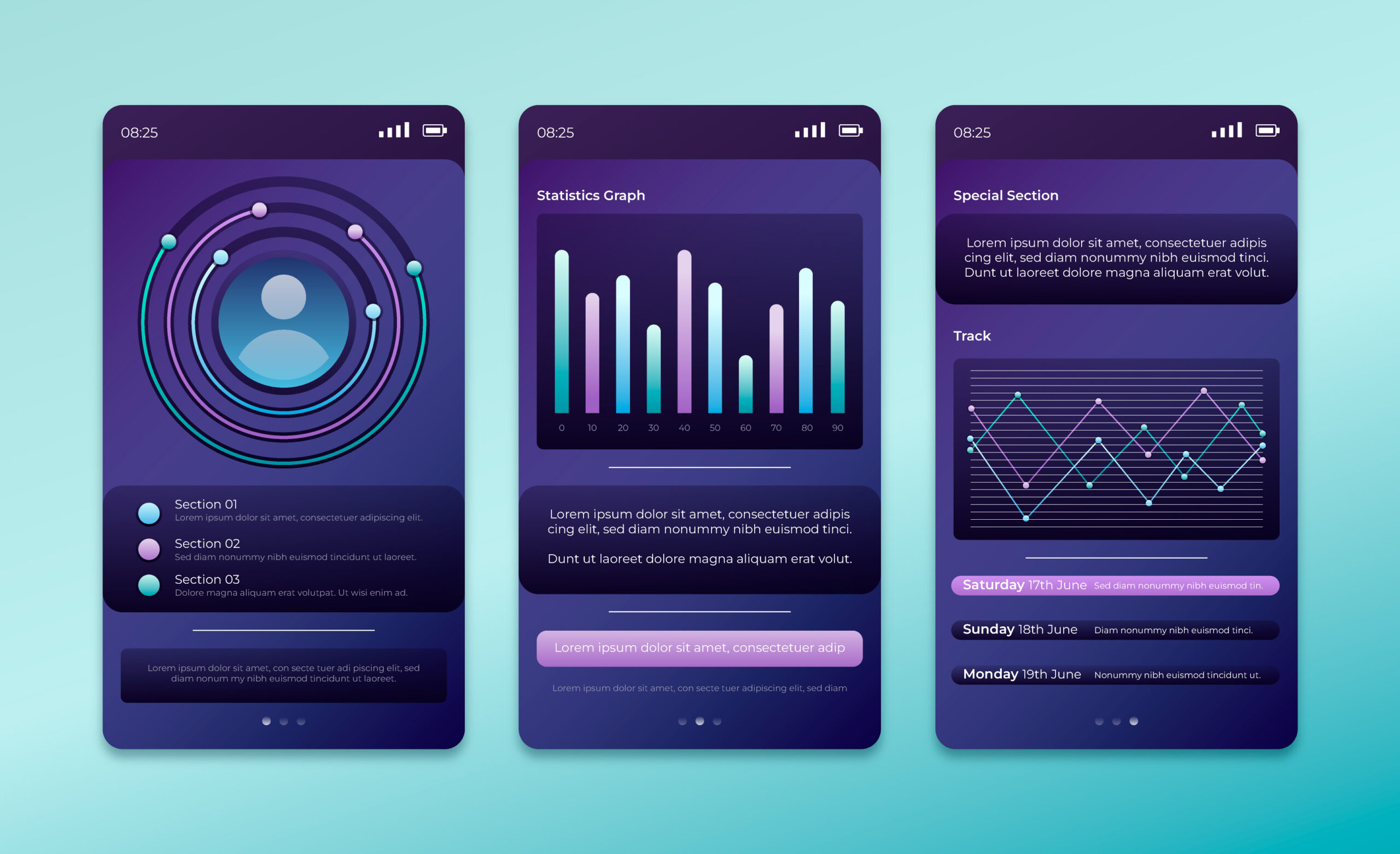
Stock UI kits are pre-designed collections of user interface elements such as buttons, forms, navigation menus, and icons. Design systems go a step further by providing a structured framework that includes design rules, components, and guidelines for building consistent digital products.
These resources are often available on platforms like Envato and Creative Market, where designers can purchase or download ready-to-use kits. They are commonly used for websites, mobile apps, and software interfaces, helping teams accelerate development while maintaining visual consistency.
Importance of Licensing in UI Kits
Licensing defines how you can use a UI kit or design system. Most stock UI kits come with commercial licenses, allowing use in client projects, applications, and digital products. However, not all licenses are the same, and misunderstanding them can lead to legal risks.
For example, some licenses allow unlimited use across multiple projects, while others restrict usage to a single end product. In many cases, redistribution of the UI kit itself—whether free or paid—is prohibited. This means you can use the components in your designs, but you cannot resell or share the original files.
Common Types of Licenses
There are several licensing models commonly associated with stock UI kits. A standard license typically allows use in one project, making it suitable for freelancers or single-use cases. Extended licenses often provide broader usage rights, including multiple projects or commercial applications.
Subscription-based platforms may offer access to a wide range of assets under a unified license. These are particularly beneficial for agencies that require continuous access to updated design resources.
It is also important to note that UI kits may include additional assets such as icons, illustrations, or even stock footage for app previews and marketing materials. Each component may have its own licensing terms, so reviewing the full agreement is essential.
Key Considerations Before Using UI Kits
Before integrating a stock UI kit into your workflow, verify compatibility with your design tools, such as Figma or Adobe XD. This ensures a smooth editing process and avoids technical issues.
Customization flexibility is another important factor. A good UI kit should allow you to modify components بسهولة to align with your brand identity. Relying too heavily on default styles can result in generic designs that lack uniqueness.
Additionally, consider scalability. If your project is expected to grow, choose a design system that can evolve with your needs, offering reusable components and clear guidelines.
Best Practices for Compliance and Creativity
To stay compliant, always keep a copy of the license agreement and document where and how the UI kit is used. This is particularly important for agencies handling multiple clients.
From a creative standpoint, avoid using UI kits exactly as they are. Instead, adapt layouts, adjust color schemes, and refine typography to create a distinctive user experience. This approach not only strengthens branding but also ensures your product stands out in a competitive market.
Conclusion
Stock UI kits and design systems are powerful resources that streamline the design process and enhance consistency across digital products. However, their true value lies in responsible and informed usage. By understanding licensing terms, selecting the right assets, and applying thoughtful customization, designers and businesses can maximize efficiency while maintaining originality and legal compliance.